What foods should I eat for my genes?


Are You Wondering…
“What Foods Should I Eat”?
We make over 100 food-decisions a day! No wonder you may be asking “what should I eat?” Personalized nutrition is now available for you to end the guessing and make your best food decisions.
You are a unique person with unique needs to optimize your health and wellness. The answer to the question of “what food should I eat” is also unique to you. A diet that someone else swears by may not work for you (or vice versa). Yet, you see so many “blanket” recommendations on what food we should eat, not eat, or which supplements to take. You may still end up wondering “what food should I eat” and how much of those blanket recs really apply directly to you. Unlike others, you may be able to enjoy coffee in the evening without any major sleep issues but have a terrible reaction to gluten (a protein in wheat). Or perhaps, you may need more folate (vitamin B9) than others, but sodium doesn’t affect your blood pressure as much.
Guess what? There are genes—and variations of these genes—that can explain why you are unique. And now with recent scientific and technological advances, there is a smarter way to know what nutrition and lifestyle strategies you need to thrive, rather than the old method of following recommendations for the “average person” and seeing how it goes for you as an individual. This opportunity for personalized (or “precision”) nutrition is based on the rapidly expanding field of research that specifically looks for some of your unique needs in your own DNA. Imagine what you could do with the insight to know which diet, food, or nutrients you should focus on, and which won’t likely make any difference to you anyway.
We are talking about the science of nutrigenomics. It’s the combination of nutrition and genomics and helps you choose the foods and nutrients you need more (or less) of, based on your unique genetic blueprint.
What is nutrigenomics? And how does it answer, “What should I eat”?
If you’ve heard about genetic testing in the past decade, it’s probably been through the marketing of ancestry companies. There’s the allure of finding out where you came from (or uncovering family secrets!), and at-home kits provided by these companies have shown everyday people how easy it is to test their DNA.
But unfortunately, due to the popularity and widespread marketing of ancestry tests, most people aren’t aware of the other benefits genetic testing can provide. While ancestry testing simply tells you where your family came from, genetic testing for health and wellness can lead you to a whole array of actionable insights that optimize your eating, exercise, lifestyle choices, and more to achieve better health.
Nutrigenomics is a rapidly advancing science that looks at the links between nutrition (the foods and nutrients needed to be healthy) and genomics (how the DNA encoded in your genes acts in your body). It’s a form of personalized nutrition that looks at how your personal set of genes influence the nutrients you need. Nutrigenomics is a very high-tech way of tailoring nutrition recommendations to one single person, based on their unique set of genes.
Here’s how your genes work.
You have a set of genes that you inherited from your parents (half from each parent). This is your unique “genetic code.” Siblings (except for identical twins) from the same parents have some similarities, but each are still genetically unique individuals. You may have different hair or eye colors or be a different height from your siblings. These traits are unique and due to your genes.
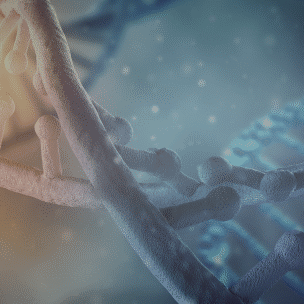
Each gene is a piece of DNA that codes for one single protein. That’s why you have thousands of genes—because your body needs thousands of proteins to do all its cellular and molecular jobs to keep you alive and healthy. There are several variations for each gene. For example, you may be genetically predisposed to having high (or low) levels of cholesterol or a resistance (or easier ability) to losing weight. Perhaps you have a lower (or higher) ability to use folate (vitamin B9), but maybe you are (or aren’t) very sensitive to caffeine or high levels of sodium. And possibly, you are very unlikely (or likely) to develop celiac disease.
How would you know? By having an accurate genetic test done to look for variations in all of those (and more) genes.
But it doesn’t stop there. Your genes code for so many areas of health, like metabolism, inflammation, hormones, stress response, moods, detoxification, weight, fitness, cognition, and your ability to use essential nutrients from foods and supplements.
Imagine how you could tailor your food and lifestyle choices if you knew the areas that you as a unique individual should focus on, and which areas you need not worry too much about.
How does nutrigenomics help answer, “what should I eat for better health”?
Let’s go through these examples so you can see what you can do when you learn your unique gene profile and take advantage of precision nutrition.
Susceptible to high levels of cholesterol
High levels of cholesterol can increase your risk for heart disease and stroke. This is partly the result of how your genes allow your body to process fats. If you knew you had genetic variants that made you prone to high levels of cholesterol, you could focus your foods on choosing more plant-based meals, specific heart-healthy fats, and higher-fiber foods.
Resistance to losing weight
Those who have struggled to lose weight may spend time, energy, and money seeking new ways to get healthy and lose weight when their genes are able to give them all the insight they need. Genes can give insight into what types of exercise are best for your body, whether it be more endurance exercises or power exercises. They can also show how your body stores fat, which nutrients it absorbs best to inform which foods to eat, and other insights that can form a more targeted recommendation plan.
Lower ability to use folate (vitamin B9)
Folate is found in green leafy vegetables and beans. Supplementation is often recommended for detoxification and for people who are or can become pregnant. If your genes code for a lower ability to use folate, then you may need to eat more folate-rich foods or take a supplement to ensure you get enough folate to compensate for your lower ability to use it so that you could maintain good health.
Not very sensitive to caffeine
Some people can metabolize (process and eliminate) caffeine faster than others. If you know that you are a “fast caffeine metabolizer,” you may be able to enjoy and use caffeine to your advantage without having to worry too much about some of the common side effects that happen more often in people who are “slow caffeine metabolizers.”
Not very sensitive to high levels of sodium
Salt contains sodium, and too much sodium can increase blood pressure. However, about 50% of people are more sensitive to sodium than others.
Very unlikely to develop celiac disease
If you don’t experience gut symptoms and you are not likely to develop celiac disease, then you may not need to avoid eating gluten (a protein commonly found in wheat, rye, and barley).
Hormone balance
Find out how well your hormones work and get insights about whether you should be avoiding taking hormones, such as the contraceptive pill, HRT or testosterone.
These are just a few examples of how the variations in your genetic blueprint can impact your health and wellness, and how you can actively address them to reach your health goals.
Nutrigenomic testing is very accessible now. It’s never been easier to answer the question, “Based on my genes, what should I eat to optimize my health”?
In conclusion
Science is quickly unravelling the mysteries of the human genome and that is a great opportunity for you to reach your optimal health with a nutrition and lifestyle plan developed based on your genes. There is a genetic test that looks at dozens of health-related genes to identify the areas you will be naturally healthier in, and which areas may need some extra attention. Get a plan that is unique to you.
If you’re interested in learning more about nutrigenomics and being smart about where to make targeted nutrition and lifestyle changes that will work for you, book a complimentary call. Certified in nutrigenomics, I can help you get your test done, go through the results with you, and work with you to create a powerful plan so you can reach your personal health goals
MINT Integrative Nutrition helps clients, like Lisa, discover more than just their ancestry by taking a genetic test …
“
“Because I wanted to get to the root causes of my health challenges, I took a genetic test that Susanoften utilizes. The results of this test were both fascinating and invaluable because it provided insights extending far beyond my bone health. Suddenly I had answers for so many questions I’d had…. I am beyond thrilled.”
Lisa, California
Ready to start your personalized health journey?
Want to know which foods, nutrients, or lifestyle choices will make the most difference in your life? Need a personalized nutrition plan based on your genes so that you can be confident it will be worth the effort? Book a complimentary call with me today to discover how nutrigenomics and my program can help you.
References
3×4 Genetics. (n.d.). Sample report*: The personal genetic story of Mike Lient.
3×4 Genetics. (n.d.). Why Take a Genetic Test?
https://www.youtube.com/watch?v=b9VJ_0_n6-E
The Nutrition Society. (2018, November 19). Nutrigenomics: The basics. https://www.nutritionsociety.org/blog/nutrigenomics-basics
Sommer, Connie. (2019, June 13). Food as medicine? Scientists are getting closer through nutrigenomics. University of Southern California News. https://news.usc.edu/157675/food-as-medicine-nutrigenomics/

Hi, I’m Susan McCandless!
RDN, CLT, IFNCP
Welcome to MINT Integrative Nutrition. I use the most up-to-date research and protocols to help people get to the root of their health concerns – including gut and metabolic issues, hormone imbalances, bone concerns, and food sensitivities.
With more than 20 years of experience in functional nutrition and nutrigenomics, I can’t wait to share my knowledge with you and my community. Are you looking for tips for overcoming your wellness challenges? You’ve come to the right place!
Feeling run-down after your latest adventure?

Looking for More Personalized Help?
Schedule a complimentary 20-minute Discovery call with me. It’s time to feel more confident and hopeful about tackling your health concerns.
What foods should I eat for my genes?
Nutrition Focused Lab Testing: Uncover the Missing Link to Optimal Health